What Your Favorite Flower Color Is Actually Doing to Your Brain
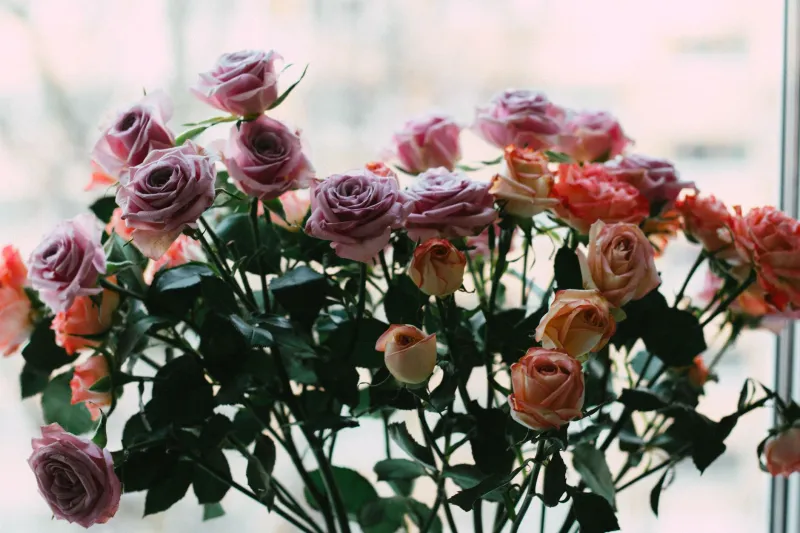
You walk into a flower shop and immediately reach for the warm peachy ranunculus over the stark white roses. Or maybe you always gravitate toward the moody deep purples, passing right by the cheerful yellows without a second glance. You probably think it's just personal taste. But here's the thing — your brain is doing a lot more work than you realize.
Color psychology is a legit field of study, and its findings apply directly to the flowers sitting on your kitchen table or your office desk. The hues you bring into your space aren't just decorative choices. They're mood signals, emotional cues, and in some cases, genuine wellness tools. At Mis Decor Blooms, we believe every petal tells a story — and a huge part of that story is written in color.
Let's break down what your favorite blooms are actually doing to your head.
Why Your Eyes and Brain Are Basically in a Constant Conversation
When you look at a color, your eyes send signals to the hypothalamus — the part of your brain that regulates hormones, sleep, appetite, and emotional responses. This means color isn't just something you see. It's something your whole body responds to.
Researchers have spent decades studying how specific colors influence mood, productivity, and even physical sensations like warmth or calm. And while personal associations matter (if your grandmother always had pink peonies on the table, pink might carry a uniquely comforting charge for you), there are broad, cross-cultural patterns that show up again and again.
Flowers are a uniquely powerful delivery system for color because they're organic, textured, and alive. A red tulip hits differently than a red wall. Something about the softness of petals makes color feel more approachable, more intimate — which is exactly why bringing intentional blooms into your home can be such an effective tool for shaping how you feel day to day.
Warm Colors: The Ones That Wake You Up
Reds are the heavy hitters. Red flowers — think bold dahlias, ranunculus, or classic roses — have been shown to increase heart rate and create a sense of urgency, excitement, and even appetite. In a dining room or kitchen, a small arrangement of red blooms can actually make the space feel more vibrant and social. That said, an entire room saturated in red can tip into overstimulation fast. Think of it like a spice — powerful in the right dose.
Oranges and corals are red's more easygoing cousins. Marigolds, gerbera daisies, and garden roses in warm tangerine tones tend to evoke enthusiasm and warmth without the intensity spike. Studies on color and emotion consistently link orange with feelings of optimism and social connection, which makes coral-toned arrangements a genuinely great choice for living rooms or spaces where you want people to feel welcome and talkative.
Yellows are often described as the happiest color — and there's actual neurological backing for that claim. Yellow stimulates the release of serotonin, that feel-good neurotransmitter you've probably heard about. Sunflowers, yellow tulips, and mimosa branches can function almost like little mood lifters on your countertop. One caveat: very intense, saturated yellows can eventually feel fatiguing, so softer buttery tones tend to be easier to live with long-term.
Cool Colors: The Ones That Slow You Down (In a Good Way)
Blues are genuinely rare in the flower world, which might be part of why they feel so striking. Hydrangeas, delphiniums, and certain irises carry that cool, expansive blue energy that researchers consistently link to reduced cortisol levels — meaning they literally help lower stress. If you have a home office where anxiety tends to creep in, a vase of blue blooms nearby isn't just pretty. It's functional.
Purples and lavenders are the color psychology sweet spot for a lot of people. They bridge the calming quality of blue with just enough warmth to feel comforting rather than cold. Lavender, obviously, has the added bonus of scent-based relaxation, but even visually, purple tones in flowers like lisianthus, wisteria, or anemones create a sense of thoughtfulness and quiet creativity. Bedrooms and reading nooks absolutely love a purple arrangement.
Whites and creams are worth mentioning here because they're often underestimated. White flowers — gardenias, white peonies, calla lilies — create a sense of space and clarity. They're mentally refreshing in the way that a clean, uncluttered room feels like a deep breath. If your space feels chaotic or visually noisy, a simple white arrangement can work surprisingly hard to restore balance.
Greens and the Often-Forgotten Power of Foliage
Green gets overlooked because it's usually thought of as filler — the eucalyptus, the ferns, the leafy stuff. But green is actually one of the most psychologically restful colors in existence. It connects directly to our evolutionary comfort with nature and signals safety, balance, and restoration.
A bouquet that leans heavily into lush greenery isn't a lazy arrangement. It's a genuinely calming one. Mixing herbs like rosemary or mint into a floral display adds a sensory layer that amplifies that grounding effect even further.
How to Actually Use This in Your Home
Here's where it gets practical. Before you pick up your next bunch at the farmers market or place an order with us, think about the room you're decorating and the feeling you want to cultivate there.
- Kitchen or dining area: Warm reds, oranges, and yellows encourage appetite and conversation.
- Home office or study: Blues and soft purples support focus and reduce anxiety.
- Bedroom: Lavenders, soft whites, and blush pinks encourage rest and emotional ease.
- Living room: This is your most flexible space — warm corals and peaches create social warmth, while mixed arrangements with greens strike a nice everyday balance.
- Entryway: A pop of yellow or a cheerful mixed bouquet sets an optimistic tone the moment you (or your guests) walk through the door.
None of this means you have to overthink every bloom. But the next time you're standing in front of a cooler full of flowers feeling weirdly drawn to one color over another, trust that instinct — and know that your brain probably already figured out exactly what it needed.
At Mis Decor Blooms, we think choosing flowers intentionally is one of the simplest, most beautiful ways to take care of yourself. And now you've got the science to back it up.

